You’re watching a shift in Gen Z Spending that doesn’t start with a storefront or an email campaign—it starts with a 12-second TikTok. In this case study, you’ll see how a short-form “de-influencing” trend (creators publicly talking viewers out of overhyped purchases) changed what younger buyers considered worth buying, how they justified purchases, and what your brand must do to keep conversion from collapsing when a product goes viral for the wrong reason.
Unlike classic influencer marketing, de-influencing doesn’t push demand; it re-allocates demand toward products that hold up under scrutiny. For business leaders, the opportunity is clear: if you build trust signals into product, pricing, and creative, you can win the “post-hype” customer—especially when TikTok is shaping your category narrative in real time.
Context: Why TikTok Now Drives Purchase Decisions
TikTok’s “search-and-decide” behavior has become mainstream for younger audiences. Users increasingly treat TikTok like a discovery engine: they find a product, watch multiple reviews, compare alternatives, and then buy (or walk away) within the same session.
- 40% of Gen Z users prefer searching on TikTok or Instagram over Google for certain needs (Google internal data, reported by TechCrunch, 2022: https://techcrunch.com/2022/07/12/google-genz-tiktok-instagram-search/).
- Social commerce is scaling fast; global social commerce sales are projected to reach $1.2 trillion by 2025 (Accenture, 2022: https://www.accenture.com/us-en/insights/industry-x/social-commerce).
For you, this means the purchase journey is more public, faster, and more peer-validated than it was even two years ago. And when the trend is de-influencing, “public” can quickly turn into “publicly skeptical.”
The Trend: De-influencing as a Spending Filter
De-influencing content typically follows a simple pattern: a creator names a popular item, explains why it’s overpriced or underperforms, and then recommends a cheaper, longer-lasting, or less hyped alternative. The result isn’t anti-consumption across the board—it’s a re-prioritization toward value, transparency, and durability.
What This Means for Gen Z Spending Behavior
You’ll notice three measurable behavior shifts when de-influencing gains traction in your category:
1) Proof Beats Promises
Gen Z increasingly expects “show me” evidence: wear tests, ingredient breakdowns, side-by-side comparisons, and long-term updates. Traditional ad claims without proof now trigger skepticism—especially if creators expose inconsistencies.
- UGC-style demonstrations outperform polished claims when the category is saturated.
- “Real results” content reduces return rates because customers self-qualify before checkout.
2) Price Anchors Move from Premium to “Fair”
De-influencing reframes what a product “should” cost by highlighting comparable substitutes. If your product is premium-priced, you must defend that premium with tangible differentiation, not brand aura alone.
3) Spending Doesn’t Shrink—It Reallocates
The buyer doesn’t necessarily stop spending; they shift spend toward “smart buys.” This is consistent with broader data: Gen Z still participates in commerce but is sensitive to perceived value and authenticity.
Gen Z shows different financial pressures too—many report budgeting concerns, which amplifies the appeal of “don’t waste your money” narratives (Deloitte Gen Z and Millennial Survey, 2024: https://www.deloitte.com/global/en/issues/work/genzmillennialsurvey.html).
Case Study Setup: A Mid-Market Beauty Brand Facing Viral Scrutiny
Here’s the scenario you can map to your own business. A mid-market beauty brand (call it Brand A) sells a $28 “glass-skin” serum primarily through DTC and Sephora-like retail partners. Growth had been driven by creator seeding and paid TikTok Spark Ads. Then de-influencing videos began to trend in the category, calling out:
- “Overpriced for the ingredient list”
- “Results look the same as a $12 competitor”
- “Packaging leaks—waste of money”
In two weeks, Brand A saw a surge in TikTok mentions and profile visits, but conversion softened as negative comparison videos dominated search results for the product name.
Baseline Signals You Track
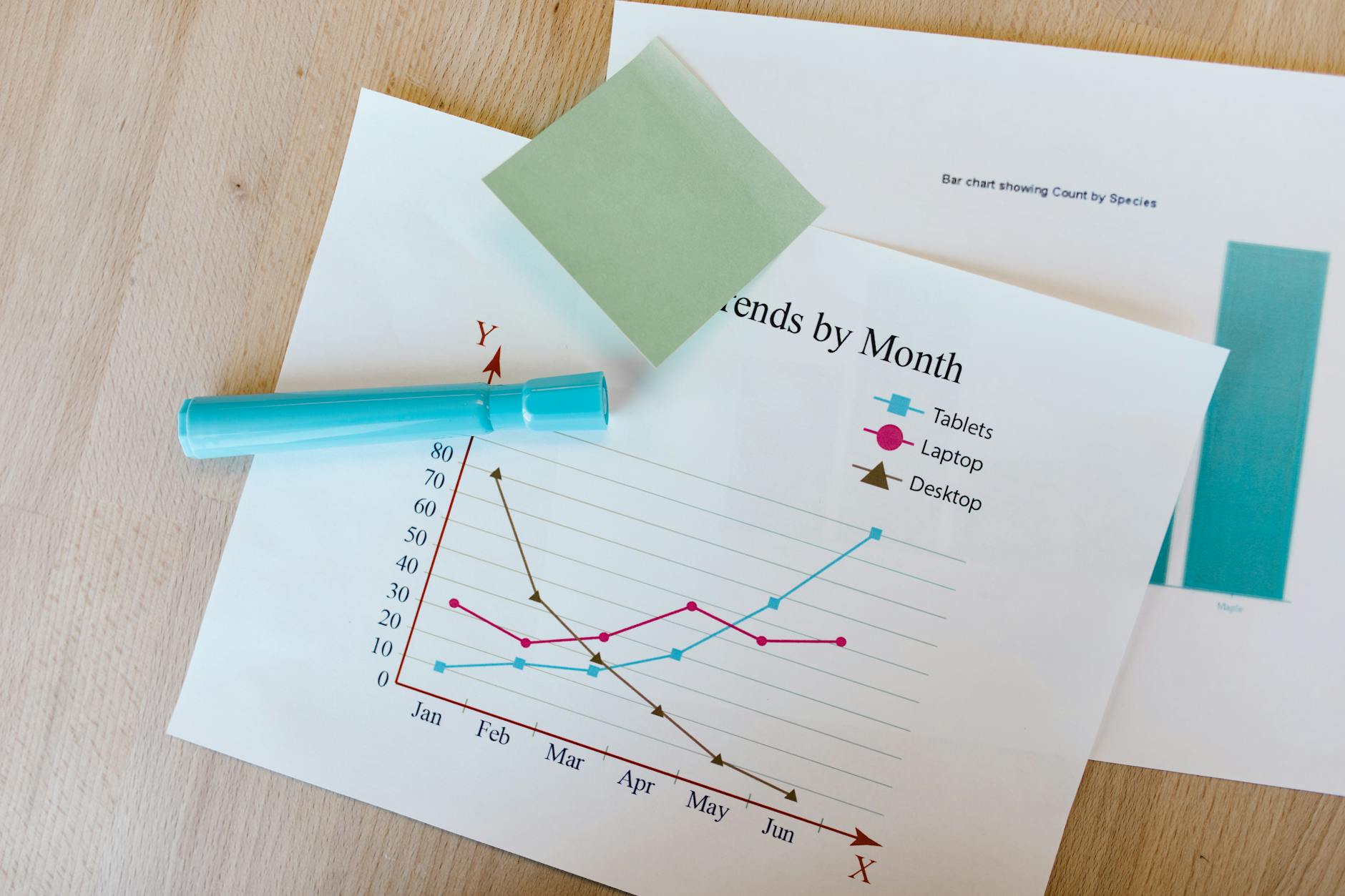
If you’re measuring the right signals, you’ll see de-influencing show up as:
- Higher traffic (curiosity spikes)
- Lower conversion rate (confidence drops)
- Higher customer service volume (questions about value/quality)
- Rising return intent (fear of regret)
What You Do: A 30-Day “Trust Rebuild” Playbook
Brand A didn’t fight the trend. Instead, it repositioned for it—turning skepticism into a structured proof campaign.
Week 1: Build a Public Proof Layer
You start by removing the ambiguity that de-influencers exploit. Brand A created:
- A pinned TikTok explaining why the formula costs more (stability testing, packaging, concentration, sourcing).
- A “what’s inside” page with plain-language ingredient roles and percentages where feasible.
- A packaging fix announcement with timelines and a replacement policy.
Key idea: you don’t need to win every argument—you need to win the buyer’s confidence that you’re honest.
Week 2: Turn Comparisons into Controlled Comparisons
Instead of avoiding competitor talk, Brand A leaned into it with a structured comparison framework:
- Side-by-side wear tests by micro-creators (different skin types, lighting conditions).
- A “who it’s for / who should skip it” decision guide.
- Customer review highlights focused on measurable outcomes (texture, irritation, wear time).
Why This Works on TikTok
TikTok rewards clarity and specificity. When you provide a decision framework, you reduce buyer remorse and build a reputation for fairness—exactly what de-influencing audiences want.
Week 3: Re-anchor Value with Bundles and Guarantees
Brand A avoided discounting the hero product (which would confirm “overpriced” allegations). Instead, you reframe value via:
- Starter bundles (mini + hero) to lower the first-purchase risk.
- 30-day satisfaction guarantee that is simple and visible.
- Free education content: “how to layer,” “how much to use,” “what results to expect by week.”
Week 4: Capture the “Post-Hype” Customer with Search-First Creative
You optimize for TikTok search results where skeptical users land after seeing a de-influencing clip:
- Creator videos titled with common queries (“Is it worth $28?”, “Serum vs. dupe?”).
- Comment-reply videos addressing objections with proof, not defensiveness.
- Landing pages aligned to the same questions (value, results timeline, returns).
Results: What Changed After 30 Days
After implementing the trust rebuild, Brand A’s funnel normalized despite ongoing de-influencing content in the category:
- Conversion rate recovered as proof-based pages and creator demos replaced vague claims.
- Return-related tickets dropped because expectations were set earlier and more clearly.
- Average order value increased via bundles, not discounts—protecting margin.
Business takeaway: you can’t out-shout de-influencing, but you can out-prove it. When your product story becomes verifiable, TikTok skepticism becomes a demand filter that sends you higher-intent buyers.
How You Apply This to Your Business (Checklist)
Use this checklist to align your marketing and operations with the new reality of Gen Z Spending patterns on TikTok:
- Audit TikTok search: what appears when someone searches your brand + “worth it”?
- Replace hype claims with proof: demos, tests, timelines, comparisons.
- Strengthen policies: returns, replacements, and guarantees must be frictionless and visible.
- Make pricing defensible: explain what drives cost in plain language.
- Design for scrutiny: packaging, durability, and consistency matter more when reviews are instant.
Conclusion: Winning in the Era of De-influencing
You’re not just selling products anymore—you’re selling a decision that


No Comments
Leave Comment