
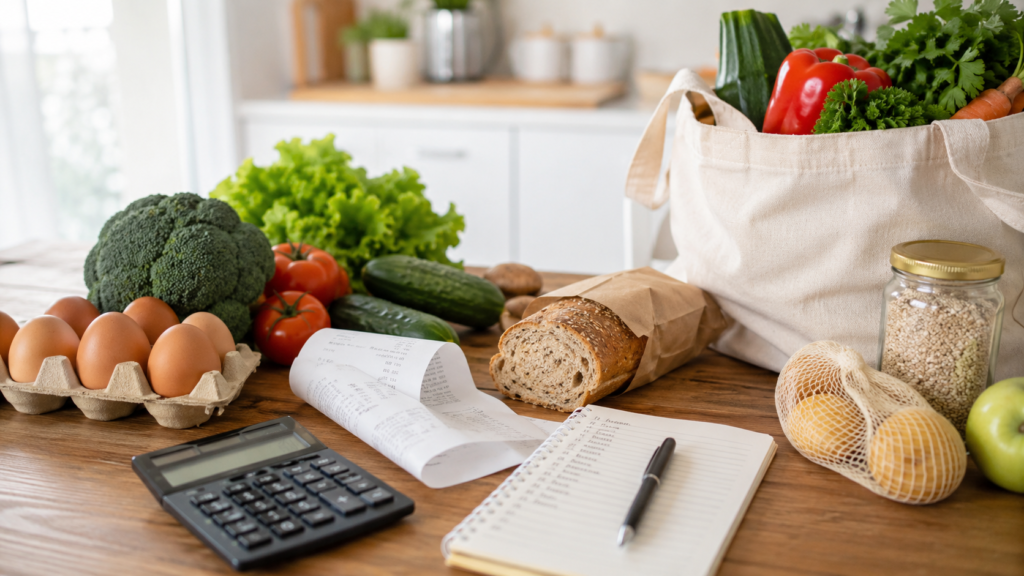
Grocery shopping can quietly drain your budget. You walk into the store for “just a few things,” add snacks, drinks, convenience foods, and one or two unplanned items, then the total at checkout feels much higher than expected.
The good news is that you do not need extreme couponing or boring meals to save money on groceries.
You need a simple system.
In 2026, grocery prices are still a real concern for many American households. According to the U.S. Bureau of Labor Statistics, the food-at-home index was 2.7% higher over the 12 months ending in May 2026. The USDA Economic Research Service also projected that food-at-home prices would increase 3.2% in 2026.
That means small grocery habits matter more than they used to.
This guide shows you how to lower your grocery bill with practical steps: meal planning, pantry shopping, unit pricing, store brands, coupons, freezer habits, and smarter online grocery shopping.
Quick Takeaways
If you want to save money on groceries this week, start with these habits:
- Plan 3 to 5 dinners before you shop.
- Check your pantry, fridge, and freezer before writing your list.
- Compare unit prices, not just sticker prices.
- Try store brands for basic items.
- Use coupons only for products you already need.
- Freeze food before it goes bad.
- Avoid shopping hungry.
- Check your cart before checkout and remove 2 or 3 impulse items.
The goal is not to become cheap. The goal is to stop wasting money on food you do not need, do not use, or could buy for less.
Why Grocery Bills Feel So High in 2026
Your grocery bill usually rises for three main reasons:
- Prices are higher than they were a few years ago.
- Stores are designed to encourage impulse buying.
- Many households waste food they already paid for.
The first problem is outside your control. The second and third are not.
A smart grocery system helps you control what you can control: what you buy, how often you shop, how much food you waste, and whether you check for real savings before paying.
Food Waste Is a Hidden Grocery Tax
Food waste is one of the biggest leaks in a household budget.
The U.S. EPA estimates that in 2019, about 66 million tons of wasted food were generated in the food retail, food service, and residential sectors, and about 60% of that waste was sent to landfills.
For a household, wasted food means wasted money.
If you throw away produce, leftovers, bread, dairy, or forgotten freezer items every week, you are not just losing food. You are buying the same food again.
That is why saving money on groceries is not only about finding coupons. It is also about buying food you will actually use.
Build a Simple Weekly Grocery System
The best grocery savings come from repetition. You do not need a complicated spreadsheet. You need a weekly routine you can repeat without thinking too much.
Step 1: Shop Your Kitchen First
Before going to the store, spend five minutes checking what you already have.
Look at:
- Pantry: rice, pasta, oats, canned tomatoes, beans, tuna, broth, spices
- Freezer: vegetables, chicken, ground meat, bread, leftovers
- Fridge: eggs, dairy, sauces, produce, cooked meals
- Counter: bananas, onions, potatoes, bread, fruit
Then build your meals around what is already available.
For example, if you already have rice, frozen vegetables, and eggs, you may only need one protein or sauce to make a cheap dinner. If you have pasta and canned tomatoes, you may only need vegetables or ground meat.
This habit prevents duplicate buying and helps you use food before it expires.
Step 2: Plan 3 to 5 Dinners, Not Every Meal
Many people fail at meal planning because they try to plan breakfast, lunch, dinner, and snacks for the entire week.
Keep it simpler.
Plan:
- 2 quick dinners for busy nights
- 2 leftovers-friendly meals
- 1 low-cost “stretch meal” like chili, soup, curry, or pasta
Breakfast and lunch can be simple and repeatable.
Examples:
- Oatmeal, eggs, yogurt, toast, or smoothies for breakfast
- Leftovers, sandwiches, rice bowls, or salads for lunch
Repetition is not a problem. It saves money because your grocery list becomes shorter and more predictable.
Step 3: Write a List by Store Section
A messy list makes you wander. Wandering leads to impulse purchases.
Organize your grocery list by section:
- Produce
- Meat and protein
- Dairy and eggs
- Frozen foods
- Pantry
- Household items
- Snacks
- Drinks
This helps you move through the store faster and avoid random browsing.
Step 4: Set a “One Treat” Rule
Saving money does not mean removing every enjoyable item.
Instead, set a limit.
Choose one:
- One dessert
- One snack
- One drink
- One convenience item
This keeps your grocery plan realistic. If your budget feels too restrictive, you are more likely to abandon it.
Use Unit Pricing to Find the Real Cheapest Option
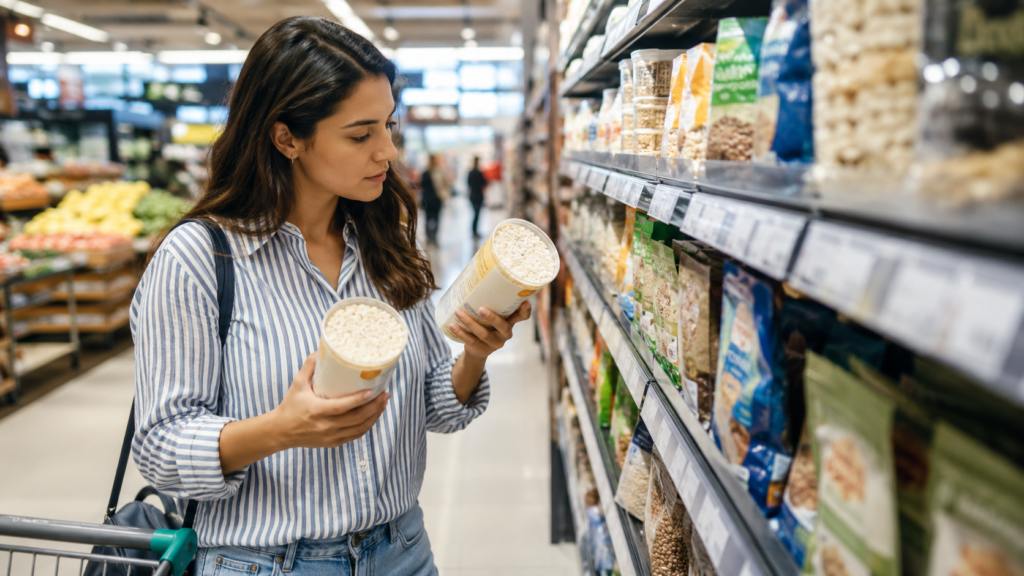
One of the easiest ways to save money on groceries is to read the unit price.
The unit price tells you the cost per ounce, pound, item, or serving. It helps you compare products fairly.
For example, one box of cereal may cost $4.99 and another may cost $5.99. The cheaper box is not always the better deal if it contains much less food.
Unit Price Checklist
Before choosing an item, check:
- Cost per ounce
- Cost per pound
- Cost per serving
- Package size
- Whether your household will finish the larger size before it goes bad
Bigger is not always cheaper. Bulk buying only saves money when you use the product fully.
Good items to buy larger:
- Rice
- Pasta
- Oats
- Flour
- Sugar
- Canned beans
- Frozen vegetables
- Toilet paper
- Laundry detergent
Be careful with bulk:
- Fresh produce
- Bread
- Dairy
- Meat you will not freeze
- Snacks you may overeat
- New products you have never tried
Choose Store Brands for Basic Staples
Store brands are often one of the easiest grocery savings.
You do not need to switch everything. Start with basic staples where brand differences are usually small.
Try store brands for:
- Rice
- Pasta
- Oats
- Flour
- Sugar
- Canned beans
- Canned tomatoes
- Frozen vegetables
- Spices
- Milk
- Eggs
- Paper products
- Cleaning supplies
A good rule:
If the product is simple, try the store brand first.
For some items, you may still prefer a national brand. That is fine. The goal is not to remove every brand you like. The goal is to stop overpaying for basic items where the cheaper version works just as well.
Cook Budget Anchor Meals
If your weekly meals depend on expensive cuts of meat, specialty ingredients, and single-use items, your grocery bill will stay high even if you use coupons.
Budget anchor meals are meals you can repeat because they are affordable, filling, and flexible.
Good examples include:
- Bean chili with rice
- Chicken and vegetable soup
- Pasta with marinara and roasted vegetables
- Tacos with beans and a smaller amount of meat
- Stir-fry with rice, frozen vegetables, and eggs
- Baked potatoes with toppings
- Lentil curry
- Fried rice
- Tuna pasta salad
- Sheet-pan chicken with potatoes and carrots
These meals work because they use low-cost ingredients and create leftovers.
Stretch Expensive Ingredients
Protein is often one of the most expensive parts of the grocery cart. You do not need to remove meat completely. Just use it more strategically.
For example:
- Add beans to tacos to use less ground beef.
- Add lentils to soup to make it more filling.
- Use chicken thighs instead of chicken breasts.
- Use eggs for dinner once a week.
- Add frozen vegetables to pasta, rice, and soups.
- Use leftover meat in bowls, wraps, or fried rice.
This lowers your cost per meal without making your meals feel empty.
Stop Paying for Convenience You Do Not Need
Convenience foods are not always bad. Sometimes they prevent takeout, which can save money.
But some convenience products are expensive for what they offer.
Usually worth it:
- Frozen vegetables
- Rotisserie chicken if used for multiple meals
- Bagged salad if you will eat it quickly
- Pre-cooked rice for emergencies
- Canned beans
- Frozen fruit for smoothies
Usually overpriced:
- Pre-cut fruit
- Single-serve snacks
- Bottled smoothies
- Small snack packs
- Seasoned rice packets
- Pre-made sandwiches
- Fancy drinks
- Individually wrapped convenience meals
The best question to ask is:
Is this convenience helping me avoid waste or takeout, or is it just making my cart more expensive?
If it saves a busy night from becoming a restaurant order, it may be worth it. If it is just impulse convenience, skip it.
Use Coupons and Store Apps the Smart Way
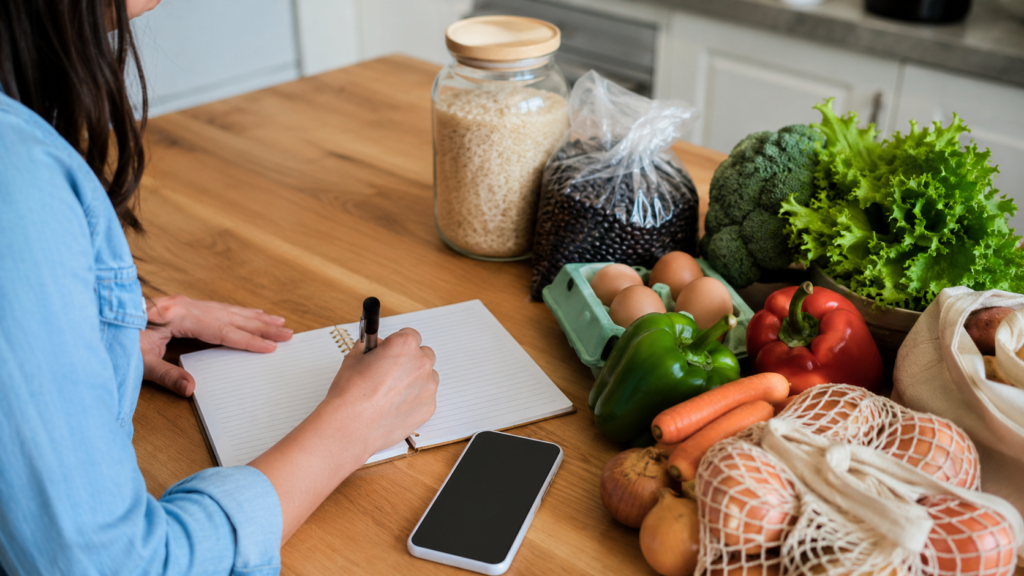
Coupons can help you save money on groceries, but only if you use them correctly.
A coupon is not a deal if it makes you buy something you did not plan to buy.
Use coupons for:
- Products already on your list
- Household essentials
- Pantry staples
- Store pickup orders
- Delivery fee discounts
- First-time grocery delivery offers
- Loyalty program deals
Avoid coupons that push you toward:
- Expensive snacks
- Unplanned drinks
- Products you do not normally buy
- Bulk items you may waste
- “Buy more to save” offers that raise your total
Before you shop online or place a grocery pickup order, check DealZenoHub’s Browse Coupons page and the Stores page to see whether there are available offers.
You can also check store-specific pages such as:
For more help with coupons, read:
- Best Coupon Apps and Browser Extensions in 2026
- How to Find Working Coupon Codes in 2026
- Why Coupon Codes Don’t Work & What to Check First
Best Digital Tools for Grocery Savings
You do not need ten apps. Too many tools create confusion.
Pick one or two that match how you shop.
Store Apps
Store apps are useful for:
- Digital coupons
- Loyalty prices
- Weekly ads
- Pickup orders
- Personalized discounts
- Fuel rewards
- Free item offers
The key is to clip offers only for items you already need.
Shared Grocery Lists
A shared list helps families, roommates, or couples avoid duplicate purchases.
Useful tools include:
- Apple Notes
- Google Keep
- AnyList
- Todoist
- Store app lists
A shared list also helps you add items when they run out instead of guessing at the store.
Cashback and Coupon Apps
Cashback and coupon apps can help, especially for household items, snacks, drinks, and online grocery orders.
But remember: savings only matter if the final price is still good.
Before buying, compare:
- Coupon discount
- Cashback amount
- Shipping or delivery fees
- Pickup fees
- Minimum order requirement
- Store price compared with competitors
A 10% coupon is not helpful if the same item costs 20% more at that store.
Buy Seasonal Produce and Freeze Extras
Seasonal produce is often cheaper because supply is higher. It also usually tastes better.
Good seasonal buying habits:
- Buy produce that is currently abundant.
- Avoid out-of-season items unless the price is reasonable.
- Freeze extras before they spoil.
- Use frozen produce when fresh prices are high.
Easy foods to freeze:
- Berries
- Bananas
- Bread
- Cooked rice
- Cooked beans
- Soups
- Chili
- Shredded chicken
- Ground meat
- Chopped onions
- Chopped peppers
- Spinach
- Herbs in oil or water cubes
Freezing food is one of the simplest ways to reduce waste.
If you buy a large pack of meat, divide it into smaller portions before freezing. If you buy too much fruit, freeze it for smoothies. If bread is going stale, freeze slices and toast them later.
Shop Less Often
Every grocery trip creates another chance to buy things you did not plan to buy.
If you shop four or five times per week, you are giving yourself four or five chances to overspend.
Try this system:
- One main grocery trip per week
- One small emergency trip only if necessary
- One monthly stock-up for pantry staples
The fewer times you enter the store, the fewer impulse purchases you make.
This works even better if you keep a running list at home. When something runs out, add it to the list immediately instead of making a separate trip.
Avoid Shopping Hungry
This advice sounds simple because it is simple.
Shopping hungry makes snacks, drinks, bakery items, and convenience foods more tempting.
Before grocery shopping, eat something small:
- Banana
- Yogurt
- Toast
- Boiled egg
- Peanut butter sandwich
- Leftovers
- Protein bar
A $1 snack before shopping can prevent $15 of impulse purchases.
Use Online Grocery Shopping Carefully
Online grocery shopping can save money because you can see your cart total before checkout. It also reduces impulse buying because you are not walking through every aisle.
But it can also increase costs through:
- Delivery fees
- Service fees
- Tips
- Higher item prices
- Substitution issues
- Minimum order requirements
Use online grocery shopping when it helps you stay disciplined.
Before placing an order:
- Review your cart total.
- Remove items you do not need.
- Check for promo codes.
- Compare pickup vs delivery.
- Check substitution settings.
- Confirm delivery fees and tips.
- Save your receipt.
The FTC’s online shopping advice recommends keeping records of the company name, website, what you ordered, what you paid, the return policy, shipping promises, communications, and payment records.
This is especially important when ordering from unfamiliar websites or third-party grocery sellers.
Grocery Savings Table: What to Do First
| Habit | Why It Saves Money | Best For |
|---|---|---|
| Shop your pantry first | Prevents duplicate purchases | Everyone |
| Plan 3 to 5 dinners | Reduces takeout and random buying | Busy households |
| Use unit pricing | Shows the real cheapest option | Pantry staples and bulk items |
| Try store brands | Cuts cost on basic products | Weekly essentials |
| Freeze extras | Reduces food waste | Produce, bread, meat, leftovers |
| Use coupons carefully | Lowers final checkout total | Online orders and household goods |
| Shop once per week | Reduces impulse trips | Families and budget shoppers |
| Check your cart before checkout | Removes unnecessary items | In-store and online shopping |
A Simple 7-Day Grocery Savings Plan
If you want to start this week, follow this plan.
Day 1: Check Your Kitchen
Write down what you already have in your pantry, fridge, and freezer.
Day 2: Pick 3 to 5 Dinners
Choose meals based on ingredients you already own.
Day 3: Build a Store-Section List
Organize your list by produce, protein, dairy, frozen, pantry, and household items.
Day 4: Check Coupons and Store Apps
Clip only coupons for products on your list.
Day 5: Shop Once
Eat before shopping, follow the list, and avoid browsing.
Day 6: Freeze What You Will Not Use
Freeze bread, meat, fruit, or leftovers before they go bad.
Day 7: Review Your Receipt
Circle anything you bought that was not planned. This shows where your money is leaking.
Repeat this for four weeks and you will understand your real grocery habits much better.
Common Grocery Mistakes That Cost Money
Avoid these common mistakes:
- Shopping without a list
- Buying ingredients without a meal plan
- Ignoring unit prices
- Buying bulk items that expire
- Forgetting what is already in the freezer
- Using coupons for unnecessary products
- Buying too many snacks
- Shopping hungry
- Choosing delivery without checking fees
- Throwing away leftovers instead of repurposing them
A grocery budget usually fails because of small repeated mistakes, not one big purchase.
Fix the small leaks and your bill becomes easier to control.
Final Checklist Before Your Next Grocery Trip
Before you shop, ask yourself:
- Did I check my kitchen first?
- Did I plan at least 3 dinners?
- Did I write a list by store section?
- Did I check coupons only for items I need?
- Did I compare unit prices?
- Did I choose store brands for basic staples?
- Did I eat before shopping?
- Did I set a limit for snacks or treats?
- Did I check my cart before checkout?
If you can answer yes to most of these, your grocery trip will probably cost less.
Conclusion: Saving Money on Groceries Is a System, Not a One-Time Trick
You do not need extreme couponing to save money on groceries in 2026.
You need a repeatable system: check your kitchen, plan a few meals, write a focused list, compare unit prices, choose store brands, use coupons carefully, and freeze food before it goes bad.
The biggest win is control.
When you stop shopping randomly, your grocery bill becomes more predictable. When your grocery bill becomes predictable, saving money gets easier.
Start with one simple rule this week:
Plan 4 dinners, shop once, and remove 3 unplanned items from your cart before checkout.
Do that for two weeks and you will quickly see where your money is going — and how to take it back.
FAQ: How to Save Money on Groceries
What is the easiest way to save money on groceries?
The easiest way is to plan 3 to 5 dinners before shopping, check what you already have at home, and shop with a list. This prevents duplicate purchases, impulse buys, and wasted food.
Do coupons really help with groceries?
Yes, coupons can help, but only when used for products you already need. A coupon is not a real saving if it makes you buy something unnecessary.
Are store brands worth buying?
Store brands are worth trying for basic staples like rice, pasta, oats, canned beans, frozen vegetables, spices, dairy, and household items. Many shoppers can save money without noticing a major quality difference.
How can I reduce food waste at home?
Plan meals around what you already own, use leftovers for lunch, freeze extras before they spoil, and review your fridge before every grocery trip.
Is online grocery shopping cheaper?
Online grocery shopping can be cheaper if it helps you avoid impulse buys and compare your cart total before checkout. But delivery fees, service fees, tips, and higher item prices can make it more expensive.
How often should I grocery shop to save money?
For many households, one main grocery trip per week works best. Fewer trips usually mean fewer impulse purchases.
What foods should I buy in bulk?
Good bulk buys include rice, pasta, oats, flour, canned goods, frozen vegetables, and household essentials. Avoid buying fresh foods in bulk unless you can use or freeze them before they spoil.



No Comments
Leave Comment