
What’s Really Stopping Americans From Clicking Buy
You’ve probably loaded your cart, hovered over the checkout button, and then stopped—sometimes for reasons you can’t even name. This case study unpacks Stopping Americans From Clicking Buy by tracing what happens between “add to cart” and “purchase,” and what you can do (as a shopper or a brand) to remove the friction.
Table of Contents
- Case Study Snapshot
- Why You Abandon: The Real-World Friction Points
- Stopping Americans From Clicking Buy: 5 Core Barriers
- What Actually Works (and Why)
- Your 10-Minute Action Plan
- Conclusion
Case Study Snapshot
Scenario: You’re shopping online for everyday household goods and a mid-priced consumer electronic accessory. You compare two similar retailers: one friction-heavy checkout and one friction-light checkout.
- Industry: US eCommerce (general retail)
- Typical customer mindset: “I want it, but I’m not 100% sure it’s worth the hassle or the risk.”
- Key question: What, specifically, causes you to hesitate at checkout?
This isn’t about willpower. It’s about micro-frictions that stack up until “later” feels safer than “buy now.”
Baseline reality: abandonment is normal
Most carts don’t convert. The average online cart abandonment rate is roughly 70% according to Baymard Institute’s ongoing research (Baymard Institute, Cart Abandonment Rate Statistics, https://baymard.com/lists/cart-abandonment-rate). That means if you’re abandoning a cart, you’re not an outlier—you’re the norm.

Why You Abandon: The Real-World Friction Points
When you stop at checkout, it’s rarely one “big” reason. It’s usually a chain reaction:
- You see a total price jump (shipping, fees, taxes).
- You start questioning the product (fit, quality, compatibility).
- You worry about returns (time, cost, uncertainty).
- You get interrupted (text, work, decision fatigue).
The hidden cost of “surprise math”
If you’ve ever felt annoyed when the final price changes at the last step, you’re responding to a well-documented abandonment driver. In Baymard’s research on checkout usability, extra costs (shipping, tax, fees) are consistently cited as a top reason shoppers abandon carts (Baymard Institute, Reasons for Cart Abandonment, https://baymard.com/lists/cart-abandonment-rate).
Trust isn’t a brand slogan—it’s a checkout feeling
You can like a product and still not trust the process. Signals that often reduce your confidence include:
- Unfamiliar payment screens
- Forced account creation
- Vague delivery dates
- Confusing return language
What you’re really buying at checkout
At the final step, you’re not just buying the item—you’re buying the certainty that it will arrive on time, be easy to return, and won’t create a billing headache.
Stopping Americans From Clicking Buy: 5 Core Barriers
Based on common US eCommerce patterns and validated usability findings, here are the five barriers most likely to stop you right before purchase—and how they show up in your head in real time.
1) Total price shock
You enter checkout expecting one number and get another. Even a small increase can trigger a reassessment: “Do I really need this today?” This is especially true when the added costs feel avoidable (shipping) rather than inevitable (sales tax).
- Where you feel it: final order summary
- What you do: open new tab, price-compare, postpone
2) Unclear delivery timing
If the delivery date looks uncertain—“estimated,” “may vary,” or buried in fine print—you may decide the risk isn’t worth it. With shoppers increasingly trained by fast shipping expectations, vague timing increases drop-off.
For context on how delivery expectations shape behavior, the National Retail Federation has reported consistently high consumer expectations around convenience and fulfillment speed in US retail trends coverage (NRF, consumer and retail trends, https://nrf.com/).
3) Return anxiety
You don’t want a future chore. If returning requires printing labels, repacking perfectly, or paying return shipping, you’re more likely to abandon—especially for apparel, home goods, and anything “might not fit.”
Returns are also a major operational cost driver. The NRF and Appriss Retail have reported that US retail return rates can be substantial, particularly in eCommerce (NRF / Appriss Retail, Consumer Returns reports, https://nrf.com/). When you sense a retailer is trying to discourage returns, your trust drops.
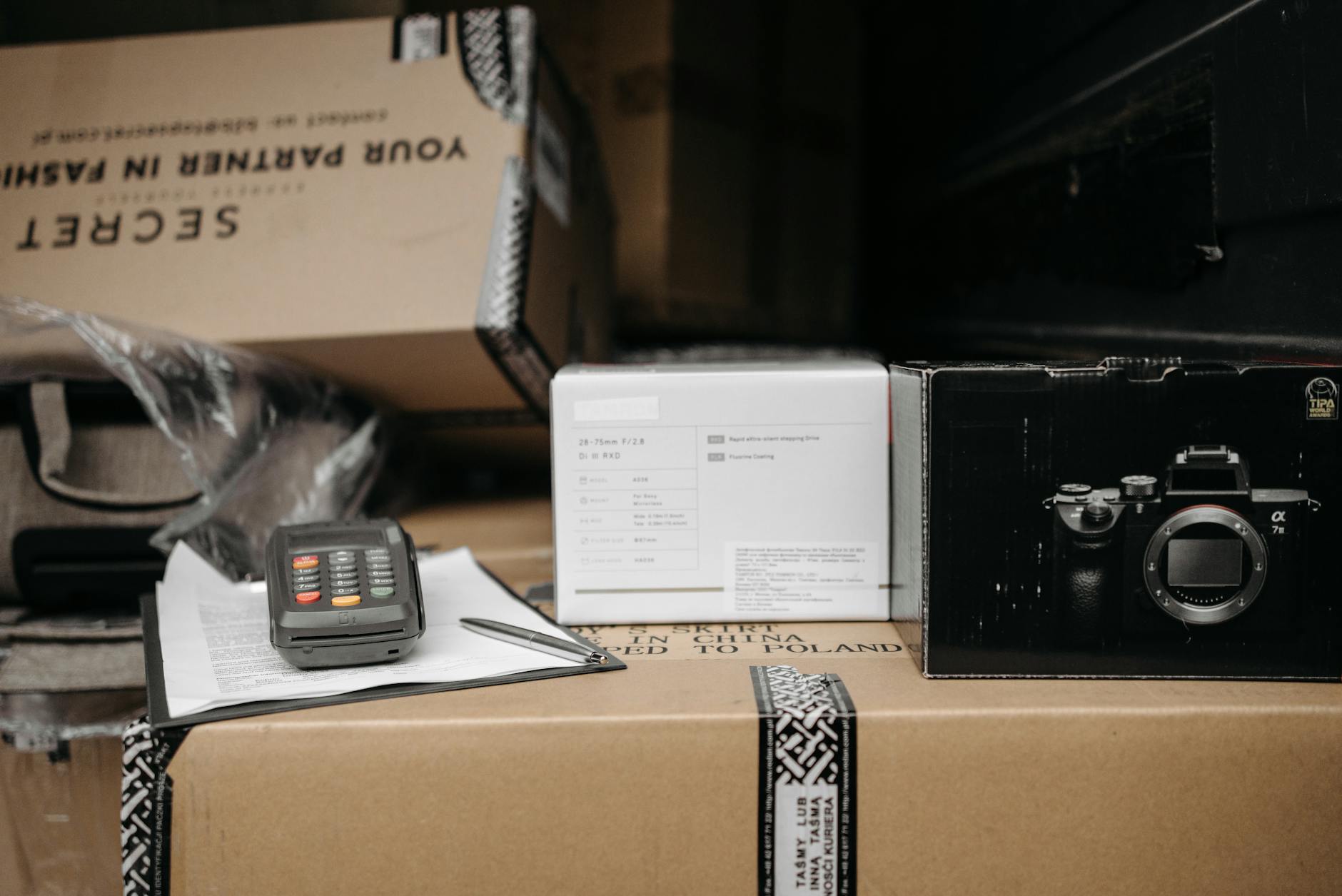
4) Checkout friction (too many steps, too many fields)
If you have to create an account, verify email, retype your address, and navigate multiple pages, your brain flags “time cost.” Baymard’s checkout research documents that lengthy or complicated checkout flows remain a persistent conversion killer (Baymard Institute, Checkout Usability, https://baymard.com/research/checkout-usability).
- Friction triggers: forced login, captcha loops, poor mobile form design
- Your response: “I’ll do it on my laptop later” (often never)
5) Payment trust gaps
You might hesitate if:
- The site lacks clear security cues
- Your preferred payment method isn’t available
- The final payment step redirects to an unfamiliar page
Even when security is technically fine, perception matters. If the experience feels off, you protect yourself by not buying.
What Actually Works (and Why)
When brands reduce checkout friction, you feel it as ease and certainty. In this case study comparison, the “friction-light” retailer consistently did three things better: price transparency, decision support, and fast checkout.
Price transparency that prevents the “gotcha” moment
- Upfront total cost: shipping shown early (or threshold clearly stated)
- No hidden fees: any surcharge explained in plain language
- Predictable promos: promo code field deemphasized unless relevant (to avoid “Did I miss a deal?”)
Decision support that removes doubt
You’re more likely to click buy when the page answers your last-minute questions without forcing you to leave:
- Compatibility / fit guidance (simple “works with” or size tools)
- Real reviews with photos and verified purchase markers
- Clear delivery promise (specific dates, not broad ranges)
Checkout that respects your time
Friction-light checkout typically includes:
- Guest checkout by default
- Autofill-friendly fields on mobile
- Multiple trusted payment options (cards, PayPal, Apple Pay/Google Pay where applicable)
The “calm checkout” principle
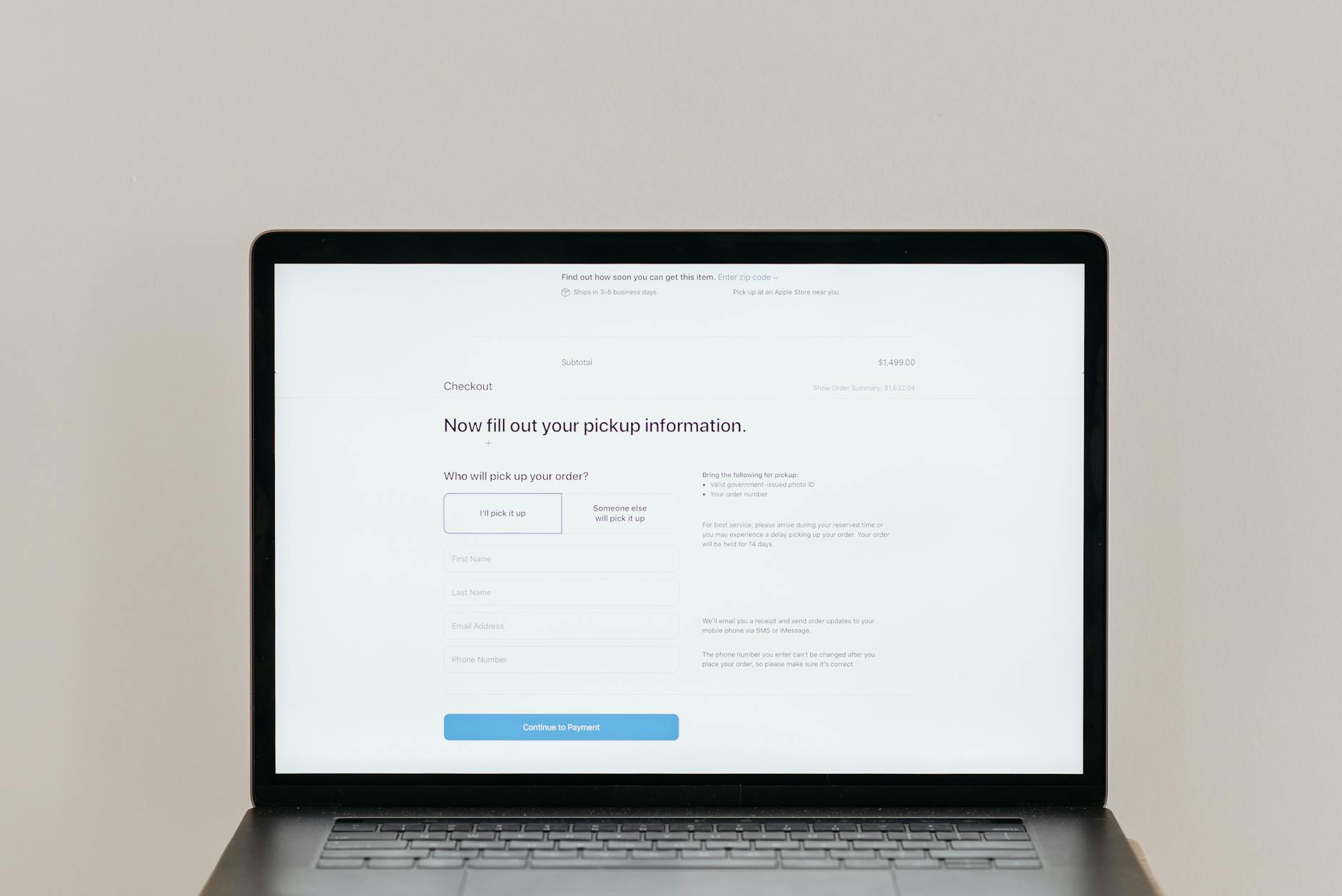
If you feel calm, you buy. If you feel rushed, confused, or suspicious, you delay. The best checkouts are designed to keep your attention on one question: Do you want this at this price, delivered by this date, with this return policy?
Your 10-Minute Action Plan
Whether you’re trying to help your customers convert or you simply want to understand your own behavior, use this quick checklist to pinpoint what’s blocking the click.
If you’re a shopper: how to reduce hesitation
- Decide your threshold: maximum all-in price you’ll pay before you start browsing.
- Check returns first: look for return window, cost, and method (drop-off vs. mail).
- Screenshot the delivery promise: if it’s vague, consider a different
retailer before you commit.
- Use a “pause rule”: if you’ve hesitated for more than 2 minutes, step away and come back later with a clear yes/no decision.
- Avoid endless comparison: set a limit (e.g., 3 tabs max). More options often increase doubt, not clarity.
If you’re a brand: how to remove friction fast
You don’t need a full redesign to improve conversions. Focus on the pressure points:
- Surface the real price early
Show shipping costs (or free shipping thresholds) on product pages—not just at checkout. - Simplify the flow
Remove forced account creation. Reduce form fields to the absolute minimum. - Make delivery concrete
Replace “estimated delivery” with specific date ranges like “Arrives between May 2–4.” - Clarify returns in one sentence
Example: “Free 30-day returns with prepaid label—no questions asked.” - Add trust cues where decisions happen
Payment icons, security badges, and concise guarantees should appear at the final step—not hidden in the footer.
Conclusion
“Stopping Americans From Clicking Buy” isn’t about a lack of desire—it’s about unresolved doubt at the worst possible moment.
At checkout, your brain is running a rapid risk assessment:
- Is this price final?
- Will it arrive when I need it?
- What happens if it doesn’t work?
If any of those questions feel unclear, the safest move is delay.
For shoppers, the solution is discipline: define your criteria early and avoid decision overload.
For brands, the solution is clarity: remove surprises, answer objections upfront, and respect the user’s time.The difference between an abandoned cart and a completed purchase is rarely dramatic. It’s usually a handful of small, fixable details—handled well or handled poorly.
If you fix those details, conversion stops being a mystery. It becomes predictable.


No Comments
Leave Comment