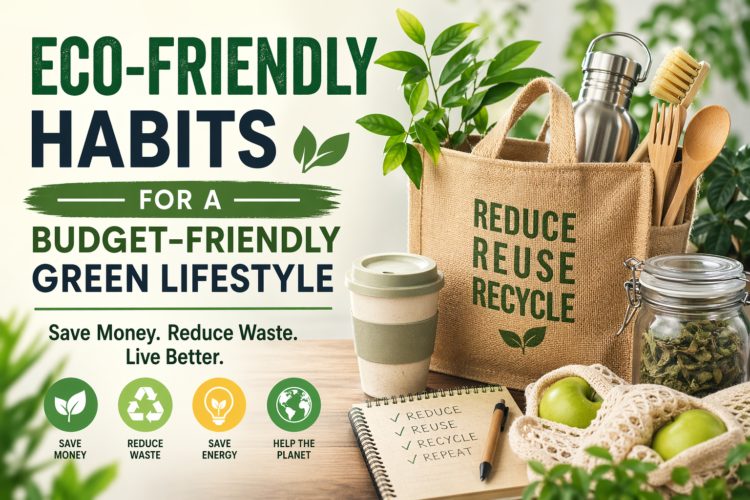
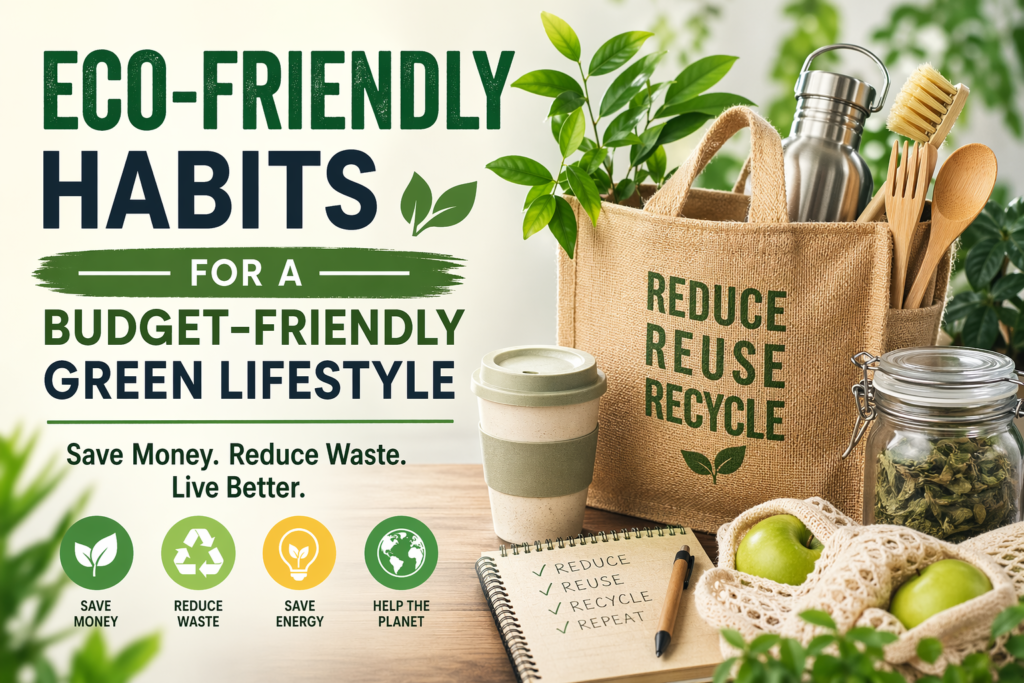
Living sustainably doesn’t have to be expensive or complicated. In fact, some of the most impactful eco-friendly habits are also the most cost-effective. By making small, intentional changes in your daily routine, you can reduce your environmental footprint while saving money at the same time.
In this guide, we’ll explore practical, budget-friendly green habits that anyone can adopt—whether you’re just starting your sustainability journey or looking to improve your current lifestyle.
Why Eco-Friendly Living Doesn’t Have to Be Expensive
A common misconception is that sustainable living requires a big investment—solar panels, electric vehicles, or high-end organic products. While those options can help, they are not necessary to make a difference.
In reality, eco-friendly living is about reducing waste, consuming less, and making smarter choices. These principles naturally align with saving money. When you buy less, reuse more, and avoid waste, your expenses decrease.
1. Reduce, Reuse, and Rethink Your Consumption
The foundation of a green lifestyle is minimizing what you consume.
How to apply this:
- Avoid impulse purchases
- Choose durable products over disposable ones
- Repair items instead of replacing them
Before buying anything, ask yourself: Do I really need this?
This mindset shift not only reduces waste but also helps you control your spending habits.
2. Switch to Reusable Alternatives
Single-use items are one of the biggest contributors to environmental damage—and ongoing expenses.
Affordable swaps:
- Reusable shopping bags instead of plastic bags
- Stainless steel or glass water bottles
- Cloth napkins instead of paper towels
While these items may have a small upfront cost, they quickly pay for themselves.
3. Save Energy at Home
Reducing energy consumption is one of the easiest ways to cut both your carbon footprint and your utility bills.
Simple energy-saving habits:
- Turn off lights when leaving a room
- Unplug devices when not in use
- Use LED bulbs instead of traditional ones
- Take shorter showers
You don’t need to invest in expensive technology—just being mindful of your energy use can lead to noticeable savings.
4. Cook More and Reduce Food Waste
Eating out frequently not only costs more but also generates more waste.
Practical tips:
- Plan your meals for the week
- Store food properly to extend freshness
- Use leftovers creatively
Reducing food waste is one of the most impactful eco-friendly habits. It saves money and reduces the environmental cost of food production and transportation.
5. Shop Smarter with Discounts and Deals
Being eco-conscious doesn’t mean paying more. In fact, using deals and coupons can make sustainable choices even more affordable.
Websites like dealzenohub.com help you find discounts on eco-friendly products, everyday essentials, and online services. This allows you to support greener brands without exceeding your budget.
By combining smart shopping with sustainability, you create a lifestyle that is both responsible and financially efficient.
6. Choose Second-Hand and Thrifted Items
Fast fashion and mass production contribute heavily to pollution. Buying second-hand is a powerful alternative.
Benefits:
- Lower prices
- Reduced demand for new production
- Unique and high-quality finds
From clothing to furniture, second-hand items often cost a fraction of the original price while helping reduce waste.
7. Use Public Transport or Walk More
Transportation is a major source of carbon emissions—and a significant expense.
Budget-friendly alternatives:
- Walking for short distances
- Using public transportation
- Carpooling when possible
Not only do these options reduce your environmental impact, but they also save money on fuel, maintenance, and parking.
8. Minimize Water Waste
Water conservation is both eco-friendly and cost-effective.
Easy ways to save water:
- Fix leaks immediately
- Turn off the tap while brushing your teeth
- Use a bucket instead of a hose when cleaning
Small changes in water usage can significantly reduce your monthly bills.
9. Grow Your Own Food (Even in Small Spaces)
You don’t need a large garden to start growing your own food.
Beginner-friendly ideas:
- Grow herbs like mint or basil on your windowsill
- Use recycled containers as plant pots
- Start with easy vegetables like tomatoes
Growing your own food reduces grocery costs and eliminates packaging waste.
10. Go Digital and Reduce Paper Use
Switching to digital alternatives helps reduce paper waste and clutter.
Examples:
- Use digital notes instead of notebooks
- Opt for online bills and receipts
- Store documents in the cloud
This habit is not only eco-friendly but also improves organization and accessibility.
11. Be Mindful of Your Clothing Choices
The fashion industry is one of the largest polluters globally. Adopting sustainable habits in clothing can make a big difference.
Smart strategies:
- Buy fewer, higher-quality pieces
- Wash clothes in cold water
- Air dry instead of using a dryer
These practices extend the lifespan of your clothes and reduce energy consumption.
12. Avoid Over-Packaged Products
Excess packaging is a major source of waste.
What you can do:
- Choose products with minimal packaging
- Buy in bulk when possible
- Bring your own containers when shopping
Reducing packaging waste is a simple yet powerful way to live more sustainably.
13. Learn Basic DIY Skills
Fixing and creating things yourself can save money and reduce waste.
Useful DIY skills:
- Repairing clothes
- Fixing small household items
- Making natural cleaning products
DIY solutions are often cheaper and more environmentally friendly than store-bought alternatives.
14. Support Local and Sustainable Brands
Buying from local businesses reduces transportation emissions and supports your community.
Look for brands that:
- Use eco-friendly materials
- Follow ethical production practices
- Offer sustainable packaging
You can often find deals on such brands through platforms like dealzenohub.com, making it easier to stay within budget.
15. Build Long-Term Sustainable Habits
Sustainability is not about perfection—it’s about consistency.
Start small:
- Pick 2–3 habits to implement this week
- Gradually add more over time
- Track your progress
The goal is to create a lifestyle that is sustainable both environmentally and financially.
Final Thoughts
Adopting eco-friendly habits doesn’t require a complete lifestyle overhaul or a large budget. By focusing on simple, practical changes—like reducing waste, saving energy, and shopping smarter—you can make a meaningful impact on the environment while improving your financial health.
Sustainability is ultimately about making better choices every day. With the right mindset and tools, such as using discount platforms like dealzenohub.com, you can build a green lifestyle that is both affordable and effective.
Start small, stay consistent, and remember: every action counts.


No Comments
Leave Comment